

Why should we care about Sustainability Reporting?
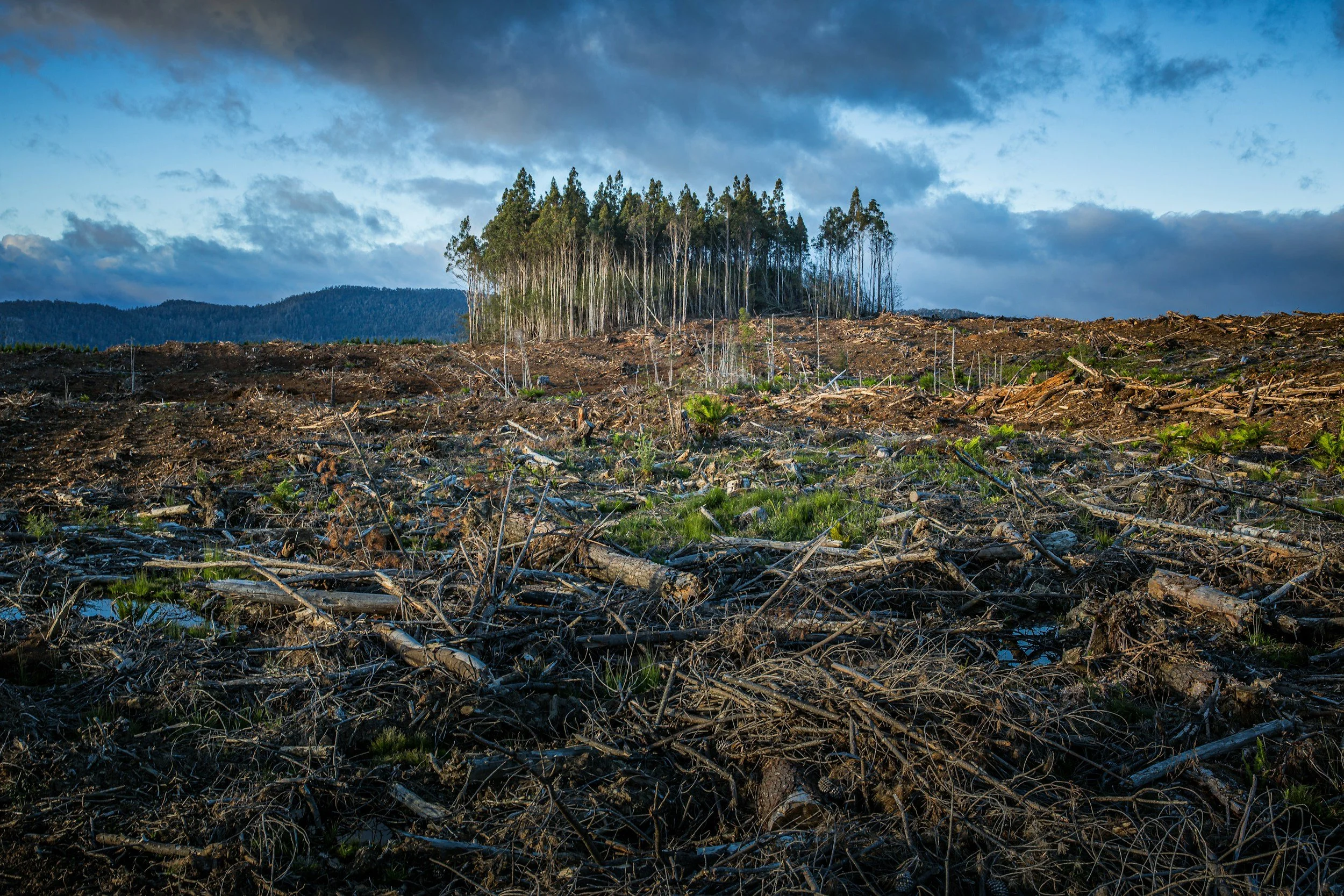
The International Sustainability Standards Board issued IFRS S1 General Requirements for Disclosure of Sustainability-related Financial Information and IFRS S2 Climate-related Disclosures to bring greater clarity and consistency to sustainability reporting.
Sustainability reporting has become increasingly important because investors, lenders and other stakeholders want to understand more than just an organisation’s past financial performance. They also want to know how environmental, social and other sustainability-related matters could affect the business in the future. A company may appear profitable today, but its prospects could change significantly if it faces water shortages, stricter environmental regulation, supply-chain disruption, changing customer preferences or rising financing costs. Sustainability reporting therefore helps users understand the wider risks and opportunities which may influence future cash flows, access to finance and the cost of capital.
To bring greater consistency to this area, the International Sustainability Standards Board issued IFRS S1 General Requirements for Disclosure of Sustainability-related Financial Information and IFRS S2 Climate-related Disclosures.
IFRS S1 can be thought of as the foundation standard. It sets out the overall principles an entity should follow when preparing sustainability-related financial disclosures. The focus is on sustainability-related risks and opportunities which could reasonably be expected to affect the entity’s prospects. Not every sustainability issue needs to be reported. The key question is whether the matter could have a meaningful effect on the business over the short, medium or long term.
IFRS S1 requires entities to provide useful information under four broad areas: governance, strategy, risk management, and metrics and targets. In simple terms, users should be able to understand who is responsible for overseeing sustainability matters, how those matters affect the organisation’s strategy, how risks and opportunities are identified and managed, and how performance is measured over time. IFRS S1 also emphasises materiality, fair presentation and connected information. Sustainability disclosures should not sit separately from the financial statements; where possible, the assumptions and information used should tell one consistent story.
IFRS S2 then builds on IFRS S1 by focusing specifically on climate-related risks and opportunities. Climate-related risks can arise from the physical effects of climate change, such as floods, droughts, heatwaves or rising sea levels, or from the transition to a lower-carbon economy, such as new regulation, carbon taxes, technological change or changing customer demand. Climate change may also create opportunities, for example through renewable energy, more efficient technology or growing demand for lower-carbon products.
IFRS S2 follows the same four core areas as IFRS S1 but provides more detailed climate-specific requirements. An entity may need to explain its climate strategy, transition plans, climate resilience and use of scenario analysis. It must also provide climate-related metrics, including Scope 1, Scope 2 and Scope 3 greenhouse gas emissions, and disclose relevant climate targets and progress towards achieving them.
Together, IFRS S1 and IFRS S2 help organisations move away from vague sustainability statements towards disclosures which are more specific, comparable and decision-useful. IFRS S1 provides the overall framework, while IFRS S2 applies that framework specifically to climate-related matters.
